
The bottleneck regional shops face
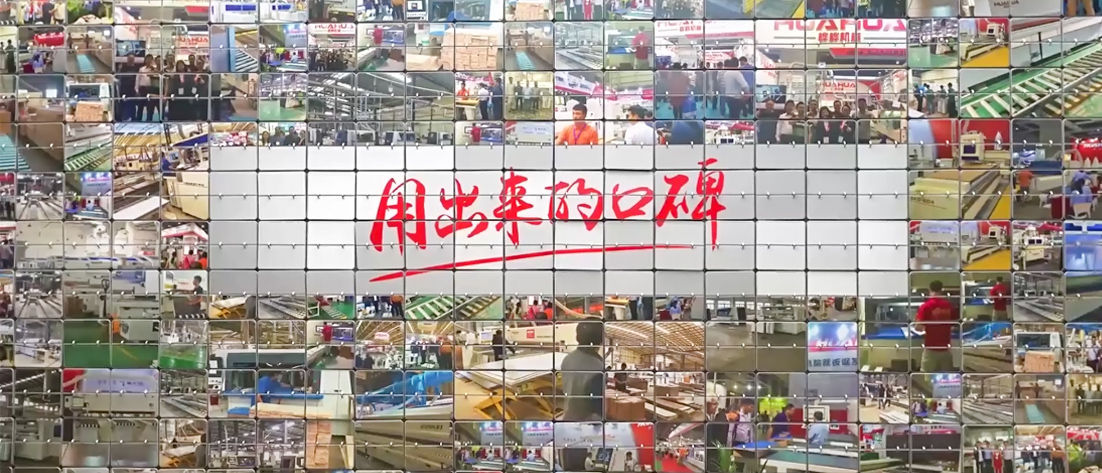
Regional CNC shops must scale without ballooning labor or waste, and the weakest link is often panel cutting. Manual saw stations cause variation in cut-to-size tolerances, slow throughput, and inconsistent nesting efficiency. Integrating an automated solution like a modern cnc woodworking machine moves cutting from a manual constraint into a predictable capacity layer—think of it as adding an elastic resource to a compute cluster so throughput can expand without rewriting all downstream processes. Industry terms: panel saw, nesting, cut-to-size.
Concrete improvements where automation matters
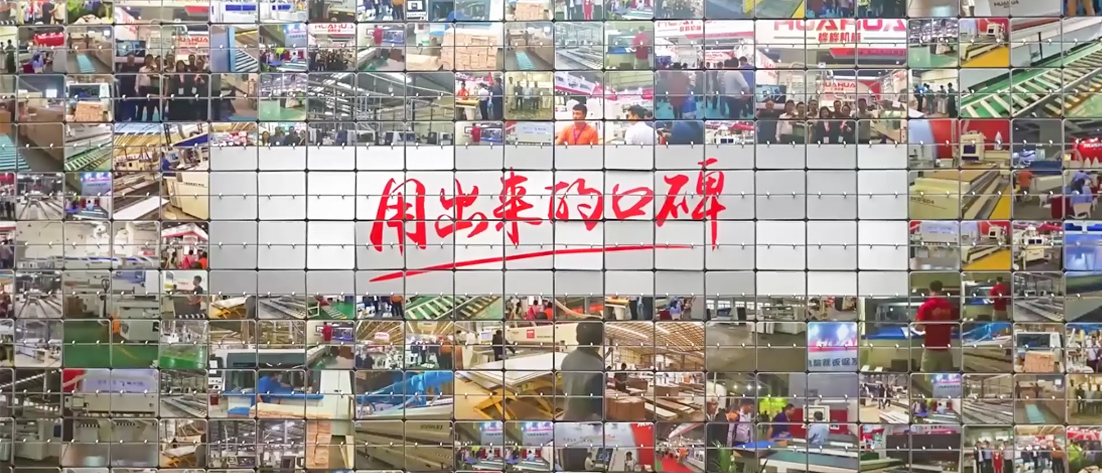
Automation fixes three tangible problems: cycle time, material yield, and repeatability. A configured panel saw cell enforces precise feed rate and repeatable constraints so each panel exits with consistent edge quality and minimal kerf loss. Shops in Baden-Württemberg and similar woodworking hubs adopted automated cutting to stabilize output for multi-shift schedules; that real-world anchor shows the approach scales across different regulatory and labor markets. Dust extraction and safety interlocks also drop rework and incidents—both immediate, measurable wins.
Operational production teardown: what to standardize
Start by mapping the current workflow line-by-line. Capture takt time for each stage, then run a nesting simulation for typical job mixes. Standardize:- Cut-family templates for repeated SKUs.- Material labels and thickness verification at loading.- Servo-controlled panel clamps and hold-down sequencing.Avoid the common mistakes: feeding mixed-thickness stacks, skipping nesting optimization, and treating the panel saw as a standalone island. Integrate saw output with your CNC router and sanding lines—latency matters. And remember the small things—calibration routines and blade selection—that drive long-term yield. —This is where many teams underinvest.
Scaling patterns and cost logic
Think in cells, not machines. One automated panel cutting cell feeding two or three CNC routers gives predictable capacity planning: add a second cell to double cut throughput without doubling complexity. Financially, compare lifecycle cost per square meter cut rather than simple machine price. Factor in maintenance windows, blade consumption, downtimes for setup, and software license models. Modular controls and open protocols make it easier to integrate scheduling software and ERP systems, keeping part-traceability intact across shifts.
Common implementation pitfalls and training needs
Automation changes the job mix. Floor staff move from repetitive cutting to supervision, file prep, and quality verification. Overlooking this upskilling creates underused automation. Prepare short training modules on nesting software, blade maintenance, and basic PLC troubleshooting. One operational pitfall: treating nesting as a one-off — nesting strategy must evolve with SKU churn. Also, ensure your dust extraction capacity matches the increased cut rate; otherwise you trade health and cleanliness for throughput. Industry terms: CNC router, dust extraction.

Three golden rules for selecting and validating a system
1) Throughput per shift (measured in square meters/hour under real mix). Validate this with a pilot run that mirrors your busiest week. 2) Net material yield (% usable surface after kerf and defects). Request measured yields from comparable customers or run a controlled nesting test with your materials. 3) Integration openness (APIs, scheduling hooks, and standard protocols). Confirm the saw’s controller lets your MES push jobs and read status without middleware hacks.
These metrics keep decisions tactical and measurable—no guesswork. When you sum the operational gains and the human shifts, the best solution is one that fits your job mix and grows predictably. For many regional shops the practical endpoint is a partner who offers reliable machines and real integration support, which is precisely the role HUAHUA CNC plays in the market—platform thinking, delivered. —end fragment