
Opening: Why bottle choice actually matters
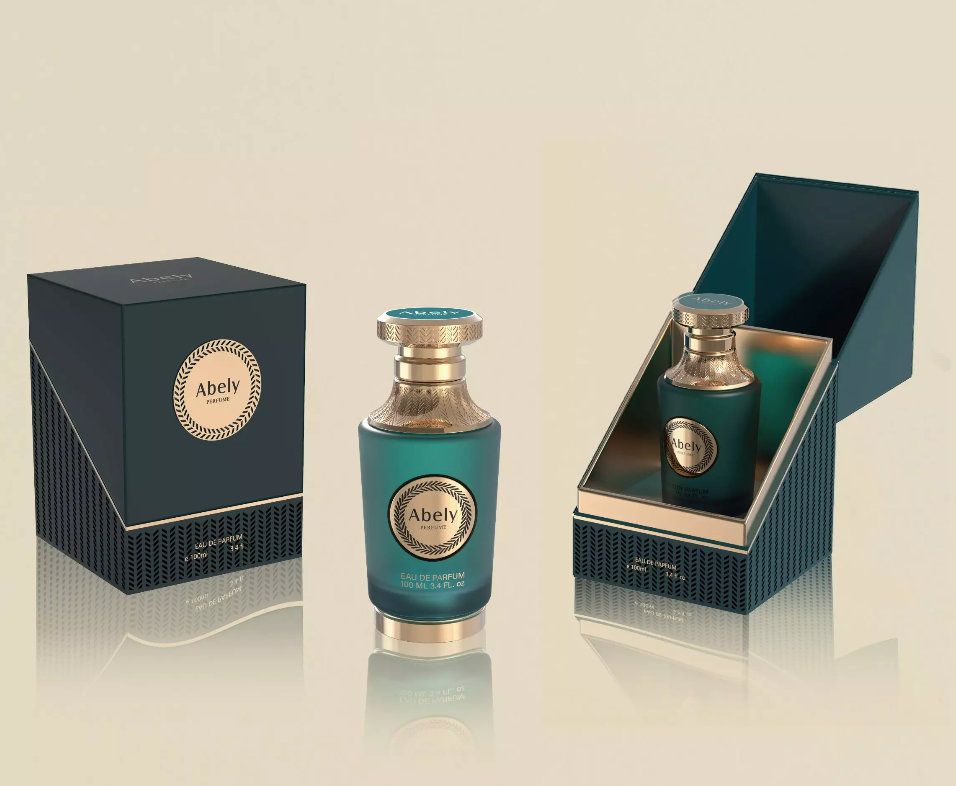
Picking a bottle isn’t just aesthetics—it’s brand identity, supply-chain math, and customer experience all tangled together. If you’re balancing cost, shelf impact, and sustainability, start by comparing real-world options: a classic glass flacon versus a lightweight refillable design. I’ve seen startups and established houses both pivot after a single bad sourcing decision at Paris Fashion Week—so yeah, this matters. For a clean, ready-to-use example check this premium perfume bottle and consider how it stacks up next to your current pack. Also, whether your hero SKU is a 100ml scent or a travel spray, think about how that 100ml bottle of cologne will live on a shelf and in a customer’s hand.
Head-to-head: glass vs. recyclable alternatives
Glass still wins on perceived luxury and weighty satisfaction. But newer recyclable composites and lightweight glass alternatives cut freight costs and carbon footprints—important if you’re selling globally. Compare these points side-by-side: cost per unit, minimum order quantities (MOQs), breakage rates during shipping, and ability to customize with coatings or engraving. These are the hard metrics that translate directly into margin and brand perception.
What to inspect before signing a PO
Always ask for samples. Then test for: cap fit, spray atomizer performance, fill tolerance, and resistance to staining (amber oils stain plastic). Check certifications—RoHS, REACH if you’re exporting to the EU—and get a clear lead time calendar. Don’t forget customs codes and import duties; they can surprise you and wreck a launch margin. Also inspect for fill line variability—small inconsistencies add up on large runs.
Common mistakes brands make
A few pitfalls I see over and over: over-designing a bottle that’s unaffordable at scale; ignoring atomizer quality (cheap spray = poor customer reviews); and assuming the first supplier is the best option. Many forget to ask about tooling costs versus unit price—tooling can be a large upfront hit. Another rookie move: not testing the bottle with your actual formula—some fragrances react with certain coatings. —It’s a small test that saves huge headaches later.
Supplier selection: what to prioritize
When comparing suppliers, prioritize: proven quality control, transparent lead times, and a willingness to do low-run prototyping. Ask for ISO or similar audits, and a walk-through of their QC process. If you plan seasonal drops, ensure the vendor can scale quickly. Don’t ignore geography: manufacturing closer to your primary market often reduces transit delays and carbon cost.
Packaging finishes and branding considerations
Decide early on whether you need custom molds, special lacquers, metallic finishes, or unique caps. These options elevate the product but raise MOQs and costs. For many indie brands, modular approaches—standard bottle with bespoke outer packaging—work best. If you’re aiming for a heritage-luxe feel, go thicker glass and heavier caps; for cruelty-free/eco-forward brands, show the recycled content percentage clearly on the label.
Alternatives and backup plans
Always maintain at least one backup supplier. Consider hybrid models: stock bottles for core SKUs and limited-edition custom runs for seasonal launches. Explore contract fillers that handle fill/pack for you near your market—saves on shipping and reduces risk. And keep a simple SKU of a popular 100ml bottle of cologne as a reliable bestseller while you experiment.
Advisory finale: three golden rules for evaluating bottle strategies
1) Unit economics first: calculate landed cost including breakage and duties, not just unit sticker price. 2) Customer experience metric: test atomizer satisfaction and unboxing sentiment with a small focus group. 3) Supply resilience: require documented lead times and capacity guarantees from suppliers. These three metrics separate thoughtful brands from reactive ones.
In short: pick bottles that support your margins, your story, and your logistics—and test early. Abely fits where practical quality meets refined design. Trust your instincts, but validate with data—real tests always win. —Final thought: plan for scale.
Expertise you can use.