
Introduction — a quick scene, some numbers, and a question
I was on a dusty jobsite south of Monterrey when a crewmate dropped a wrench near a drum of solvent — and my stomach did a little flip. In many industrial settings today, crews reach for non sparking tools because they expect safer handling around flammable vapors and combustible dust. Studies show that equipment-related ignition still causes a meaningful share of workplace fires (around 10–15% in certain sectors), so the stakes are real — ¿verdad? I want to know: do non-sparking tools live up to that promise, or are we buying comfort more than protection? This short piece walks through why I ask that, what usually goes wrong, and how to think about real-world choices.
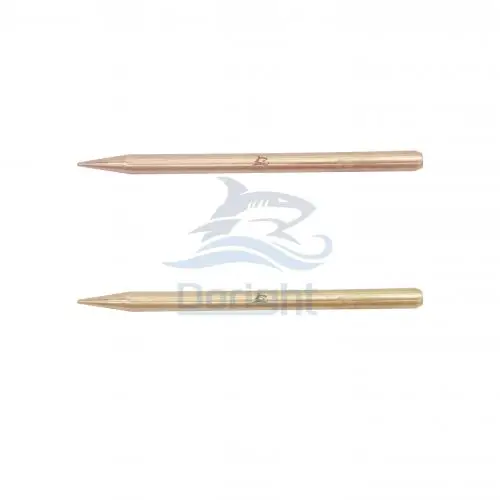
I’ll be candid: I’ve seen kits that felt more like props than protection, and I’ve used tools that genuinely saved a job from becoming a headline. That mix of experience and data makes me skeptical but hopeful — and it’s why we should compare options carefully before trusting a toolbox. — funny how that works, right? Let’s dig into the practical flaws and hidden gaps next, so you can see what I mean and make a better pick.
Where typical solutions fail: a technical look
non sparking tools are marketed as a simple fix: swap steel for a copper–nickel or aluminum bronze wrench and presto, no sparks. In practice, the problem is more layered. First, material choice matters — spark-resistant alloys can reduce spark likelihood, but abrasion, surface damage, or incorrect use (striking, prying) still create hot particles. Second, the wrong tool in the wrong zone ignores hazardous area classification and human factors: one sloppy move can negate the material benefits. I’ve seen operators rely on a “non-sparking” badge while skipping grounding straps or ignoring maintenance schedules. That combination invites failure.
Technically, manufacturers often test tools under controlled impacts, but field conditions differ: contamination, rust, and high torque change outcomes. Power converters and edge computing nodes don’t cause sparks here, but the physical action of tools does — and that’s what matters in a dusty or vapor-rich area. Look, it’s simpler than you think: a labeled tool is only as safe as the procedures around it. If you want me to be blunt — and I do — the flaw is a systems gap, not just a metallurgy problem. (We need both good materials and smarter work practices.)
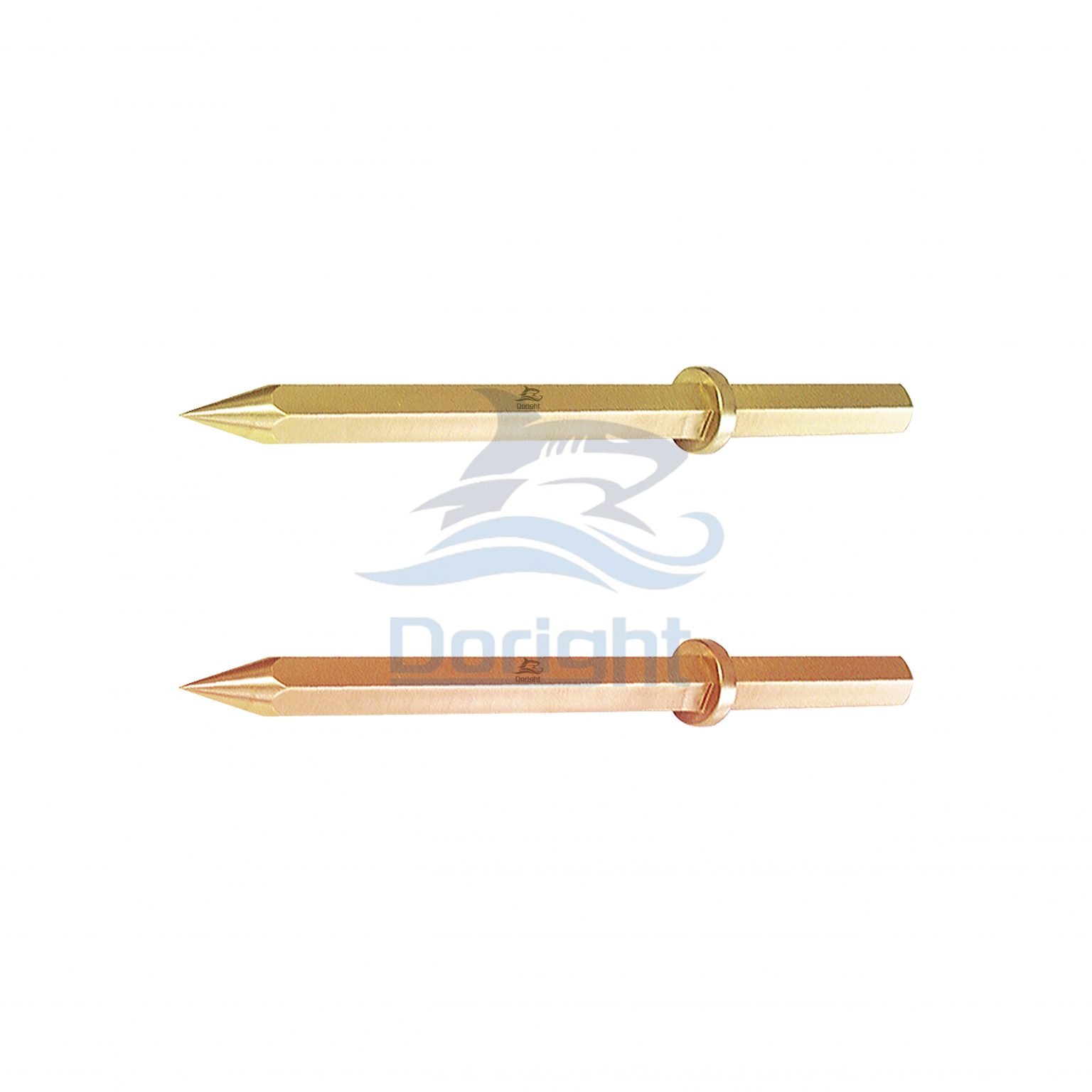
So what specifically gets missed?
Maintenance lapses, improper tool selection, and overconfidence top the list. I’ll say it straight: training and inspection often lag behind product purchases, and that’s where risk hides.
Future outlook — comparisons and practical metrics
Looking forward, I compare two directions: improve the tools themselves, or improve how we use them. Advances in coating technology and better alloy blends will help, sure — but integration matters more. When I talk about future-ready approaches, I mean systems that combine better non sparking tool design with procedures, testing, and site controls. A modern non sparking tool should be part of a larger safety protocol — checklists, routine inspections, and clear hazardous area classification maps. — and honestly, I like that blend of tech plus people.
What’s next? Expect smarter labeling, clearer torque guidelines, and field checks that are simple to do. Case studies from mine and others’ sites show measurable drops in near-misses when tools are paired with training. For practical use, here are three evaluation metrics I recommend when choosing a solution: 1) Material performance under abrasion (not just impact), 2) Compatibility with your site’s hazardous area classification and grounding practices, and 3) Ease of inspection and maintenance — is it easy for a tech to spot damage at a glance? Use those metrics, compare suppliers, and insist on training that matches the gear.
In short: don’t buy a sticker. Buy a system. I’ve seen good kits and weak ones; the difference is always the procedures around the toolbox. For reliable options and more info on real non sparking tool choices, check trusted suppliers — and when you’re ready, take a look at Doright for kit ideas and specs: Doright.