
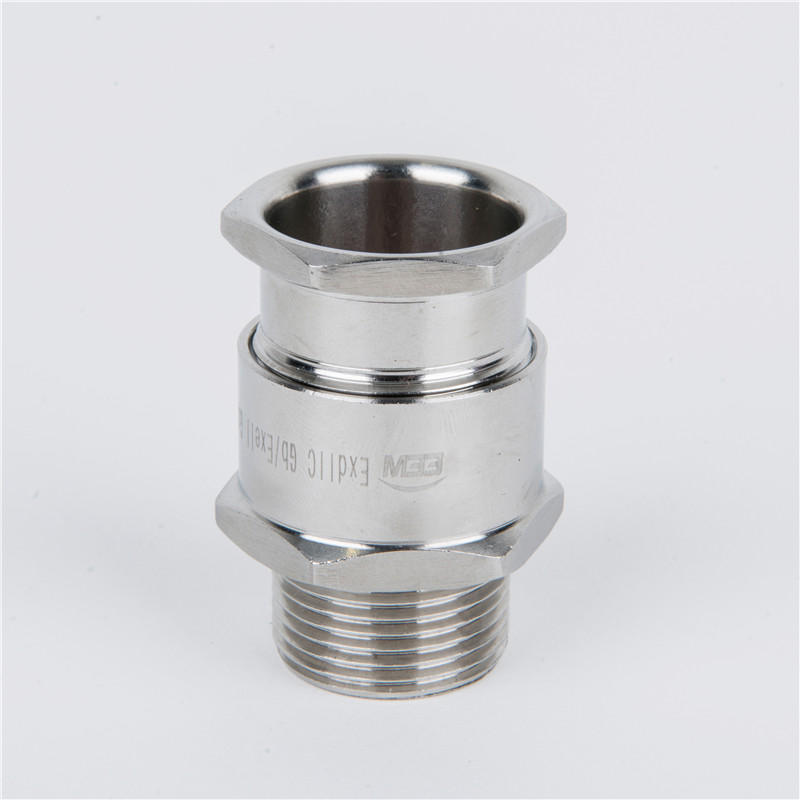
What to Ask Before Specifying an Explosion-Proof Cable Gland
The procurement problem
Procurement teams face a simple but persistent problem: product descriptions and project needs do not match. Buyers get drawings, vendors send data sheets, and the site expects a ready-to-fit item. Start by framing the discrepancy: what does the project team truly need versus what the vendor offers for an explosion proof cable gland? That single question narrows the search and directs technical review to the right experts.
Core questions to pose to suppliers
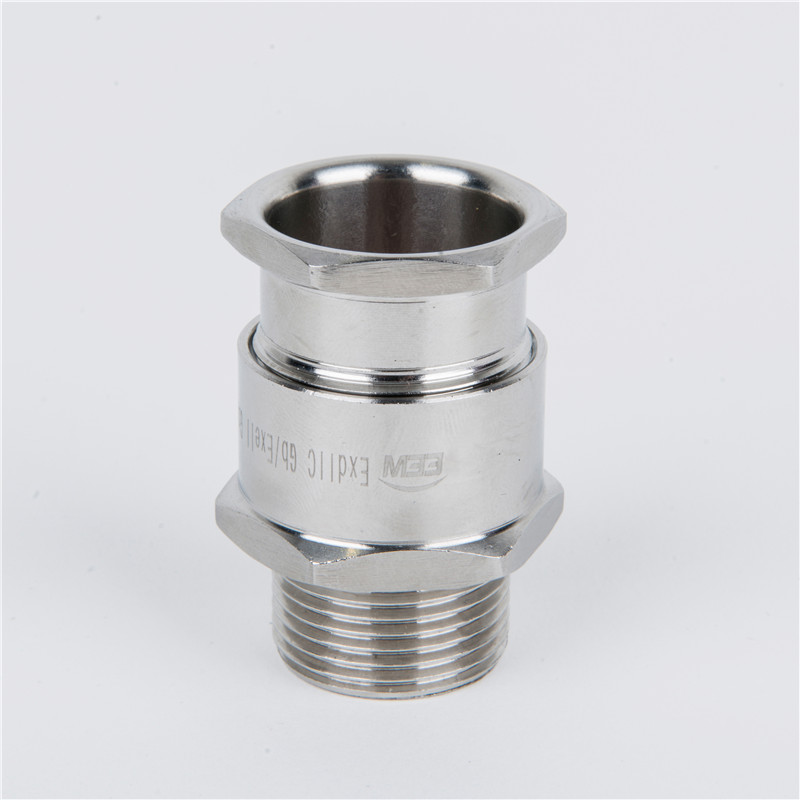
Ask clear, verifiable questions that force factual answers rather than marketing language. For example: can the supplier provide complete product documentation and traceable manufacturing records? Who will be the technical contact to confirm that the product matches the project’s documented intent? What are lead times and change controls if the design package shifts? Keep each question tied to a decision the project team must authorize.
How to coordinate with project stakeholders
Procurement cannot act alone. Define roles early: which engineering discipline will verify suitability, who approves procurement deviations, and who will accept deliveries on site? Require a documented confirmation loop where the supplier’s technical representative and the project engineer both sign off before orders proceed. That coordination reduces rework and delays.
Red flags and common mistakes
Watch for vague datasheets, missing traceability, and inconsistent nomenclature between drawings and vendor literature. Avoid accepting a product based on imagery or single-attribute claims. If a vendor cannot name a responsible technical contact or refuses to document the product’s fit to the project brief, treat that as a strong warning sign.
Alternatives, comparators, and evaluation approach
Don’t fixate on one vendor early. Create a short list of viable suppliers and ask each the same set of documentary and logistical questions. Compare responses on documentation completeness, response time, and clarity of technical support. Where useful, request documented examples of past project deliveries of similar scope so the project team can assess supplier reliability without needing technical instructions from procurement.
Documentation and contract checkpoints
Specify the documentation that must accompany deliveries: product documentation, manufacturing traceability, and a named technical contact for post-delivery clarifications. Build acceptance criteria into contracts that require those documents before payment milestones. Leave the final technical acceptance to the qualified engineer designated by the project.
Common procurement pitfalls to avoid
Avoid buying on price alone, accepting incomplete paperwork, or skipping the step where an engineer verifies fit to the installation. Resist last-minute substitutions without documented technical concurrence. These shortcuts create costly hold-ups that ripple through the schedule.
Questions for technical review teams
Frame reviewer queries as requests for verification rather than instructions. Ask: does the proposed item match the project’s cable interface and sealing expectations as documented? Can the engineer confirm the vendor’s documentation covers expected site conditions? Who will approve deviations if the product differs from project drawings? Encourage reviewers to record their verification as part of the procurement file.
Where to look for further supplier information
Check vendor portals for complete product pages and consistent naming. Request examples of project documentation and clarified points of contact. Consider the supplier’s ability to provide ongoing support during construction and turnover. Compare those practical capabilities across your shortlisted vendors and include the term cable glands explosion proof in procurement documentation so that vendors respond to the exact product intent rather than a loose description.
Final synthesis
Procurement success comes from precise questions, early coordination, and insistence on verifiable documentation. Keep decisions recordable and defer final technical acceptance to the qualified engineer. That approach makes supplier selection and project handover smoother when teams work from the same facts, a practical practice reflected in how trusted suppliers present products and support, such as sunleem.