
Urgent problem: covert hazards in shops and supply lines
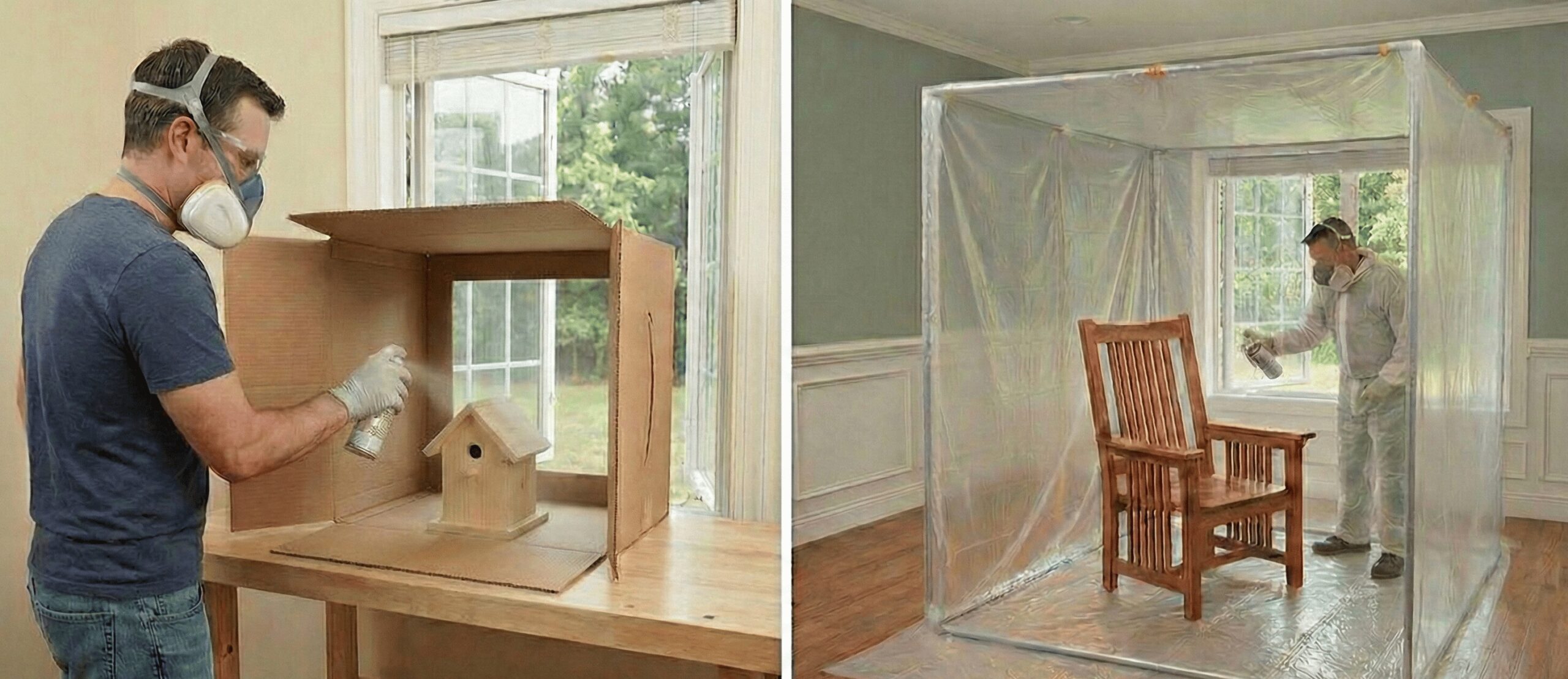
Most OEM-detailing projects stall not because the color is wrong but because the application environment is unsafe and the upstream formulation is unstable; technicians expose themselves to the dangers of spray painting indoors long before a product reaches scale. This is a production problem: compromised worker health, failed adhesion, volatile emissions, and regulatory friction all originate from choices made during formulation and piloting—choices that look minor until a whole production run goes out of spec.
Root causes that derail OEM detailing programs
Manufacturers underestimate four linked failures: inadequate ventilation during small-batch tests, insufficient solvent control in formulations, minimal cross-disciplinary testing (chemistry versus application hardware), and vague specifications handed to suppliers. Each failure compounds the others. A stable pigment dispersion in the lab can behave entirely differently when applied in a cramped spray booth with poor air exchange, creating defects and safety incidents that could have been predicted.
Clear steps from concept to production that reduce risk
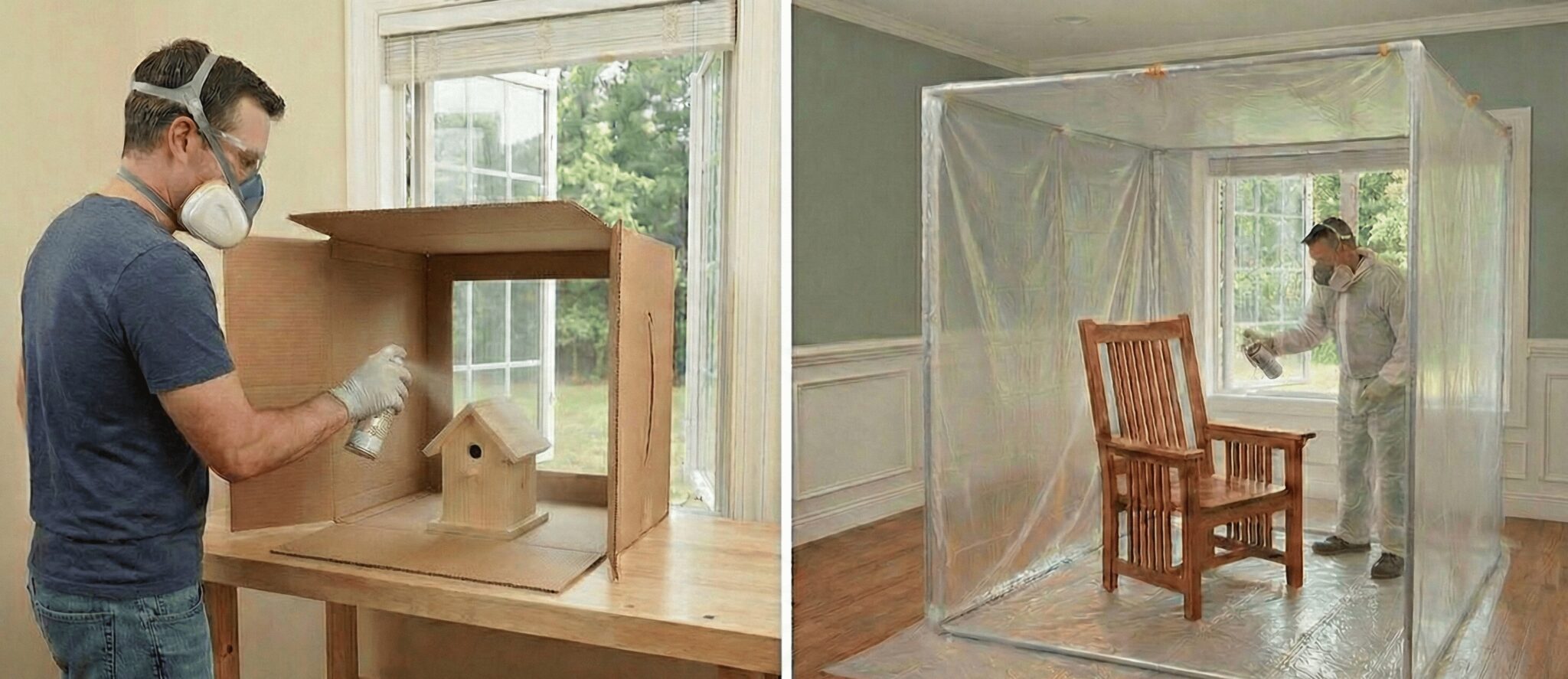
Start with performance targets tied to measurable criteria: VOC limits, dry time at specified temperature and humidity, adhesion (ASTM cross-hatch), and flammability class. Move to iterative lab testing that includes substrate-weathering simulations and spray-gun compatibility checks. Pilot at full-scale production pressures using the actual application equipment intended for shop floors. Lock in QC tests—particle size, solids by weight, gloss units, and batch-to-batch spectrophotometry—before green-lighting a full run. Implement engineered ventilation and capture for the application step; these are not optional add-ons.
Common pitfalls installers and spec-writers repeat
Expect these recurring mistakes: adopting solvent systems because they are cheaper without testing for substrate compatibility; skipping real-world spray trials and trusting only bench tests; underestimating curing time in non-ideal temperatures; and failing to train applicators on correct gun setup. Each error increases rework and exposure risk. Treat training, simple maintenance checklists, and documented spray parameters as part of the product specification, not as afterthoughts.
Evidence, authority, and a practical anchor
Regulatory guidance and occupational studies repeatedly show that poor ventilation and uncontrolled solvent exposures cause measurable harm; the U.S. Environmental Protection Agency has published materials on spray-applied coatings and indoor air quality that detail exposure pathways and control strategies. For a practical explainer on workplace and home risks consult is it bad to spray paint indoors, which synthesizes health concerns alongside mitigation measures; that perspective aligns with peer-reviewed findings on VOC emissions and respirable aerosols. My experience auditing mid-size refinishing shops confirms the pattern: facilities that ignore these standards accumulate compliance debt and steady quality failures.
Viable alternatives and trade-offs
Waterborne and low-VOC polyurethane systems reduce inhalation risk but demand tighter drying-control and different surface preparation. Powder coating eliminates solvents altogether but requires conductive parts and ovens, which shifts costs and constraints. Electrostatic spray increases transfer efficiency and cuts overspray, but operators must be trained for consistent film build. Choose a solution by matching fleet size, substrate types, and the shop’s ability to invest in ventilation and training.
Practical checklist to avoid production failures
Require these five items before scaling: (1) a documented ventilation and capture plan validated by airflow measurements; (2) pilot runs with the actual guns and filters used on the shop floor; (3) a written specification tying color and performance metrics to objective tests; (4) MSDS and exposure controls included in operator training; (5) a supplier audit that verifies batch stability and pigment dispersion reports. These steps stop surprises and protect workers.
Where the solution delivers value
Reducing health risk and ensuring consistent finish quality are the same technical problem seen from two angles. When formulation teams design for lower volatility, testing teams validate under realistic application conditions, and operations staff adopt simple engineering controls, production stabilizes and liability drops. That is why manufacturers who prioritize scientifically validated formulations, robust pilot testing, and measured application controls create repeatable outcomes—and why experienced partners who can deliver low-VOC, well-dispersed coatings and clear application guidance become central to long-term success, as embodied by SANVO.