
The Problem — your squad goes quiet at the worst moment
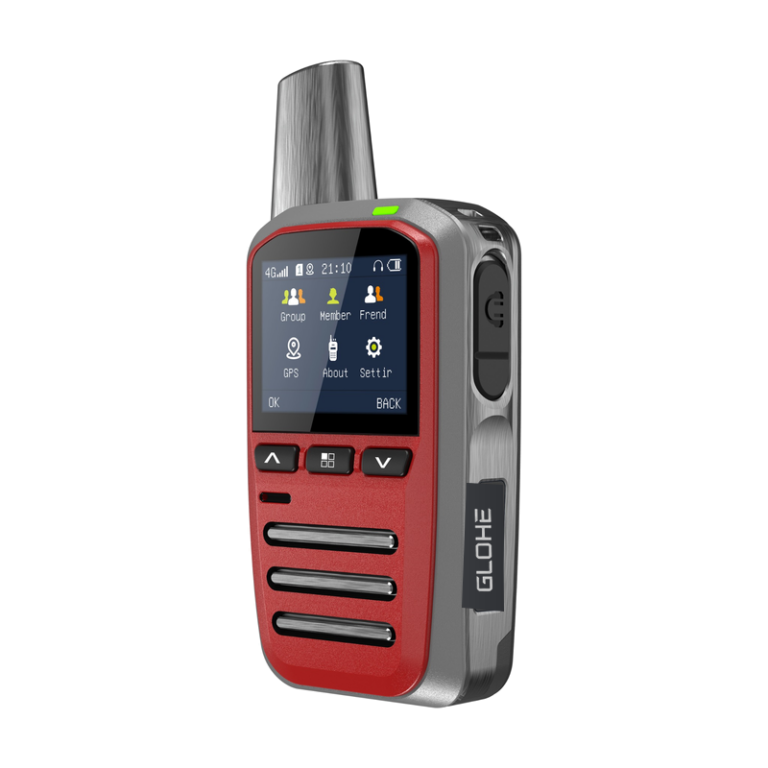
Packets drop, PTT stalls, and your team’s left staring at a dead HUD. That’s the core issue: comms that work in the lab but choke under real ops stress. You want gear that feels instant and predictable — not a surprise boss fight. A compact option that often bridges the gap is the mini poc radio, but knowing when and why to pick it matters more than the shiny case.
Diagnose fast — common root causes
First, check connectivity layers: carrier congestion, LTE handoffs, and local interference. Next, look at endpoint problems — firmware bugs, lousy antenna tuning, or trash power management. Then consider orchestration: server-side QoS, provisioning errors, and mismatched codecs. I’ve rebuilt field comm stacks after 10+ years of testing with event ops and frontline teams; you can stop guessing and follow data-driven checks instead of praying for a miracle patch.
Hardware priorities that actually fix problems
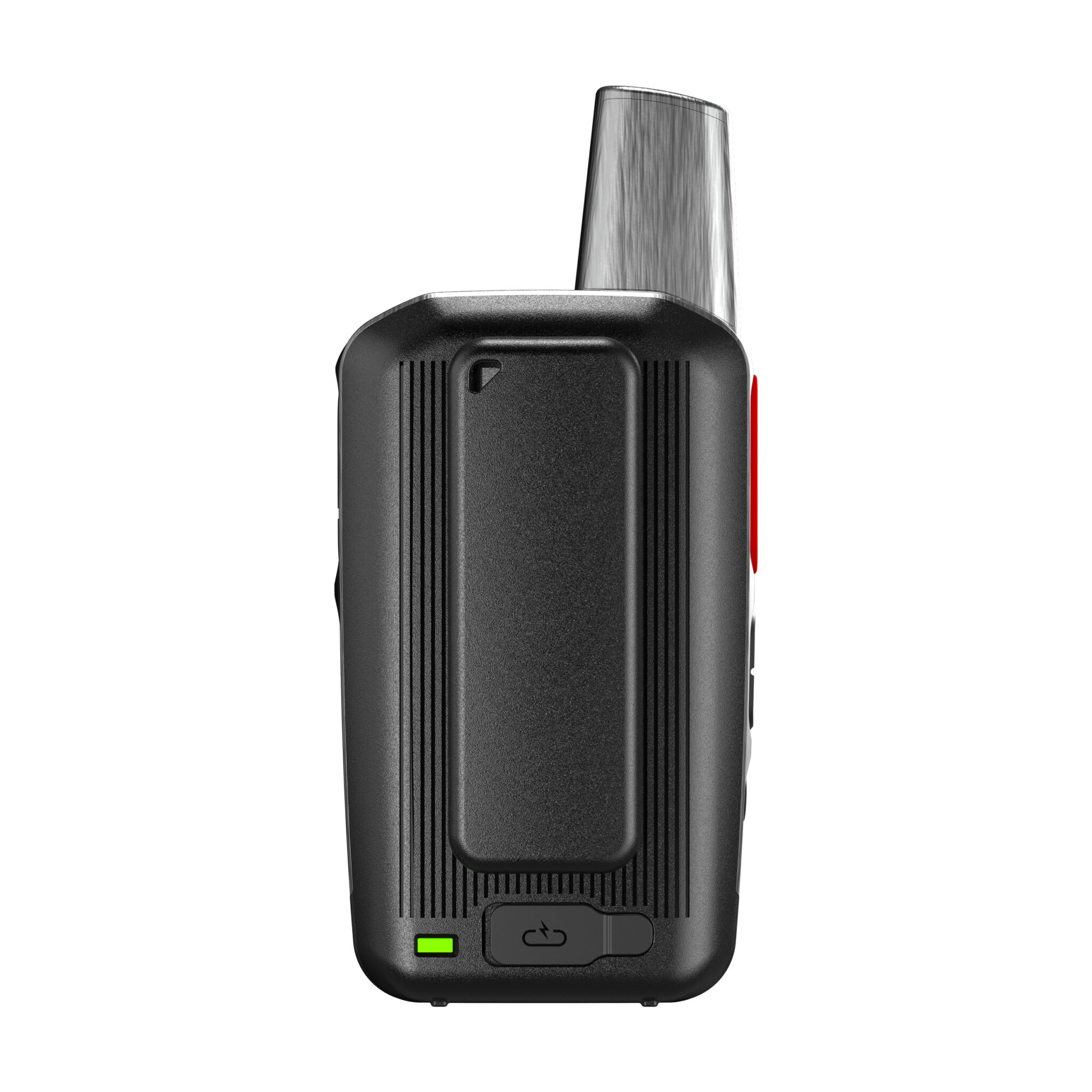
Buy for survival: battery runtime under realistic duty cycles, antenna performance in urban canyons, and a user interface that doesn’t need a manual in a firefight. Low-latency PTT circuitry and clear audio paths beat extra bells. Pay attention to decoupled radios where radios can fallback to LTE data when the narrowband link dies — that redundancy saves missions. Ruggedness tests matter: dust, drop, and sweat-proofing aren’t marketing copy — they’re the difference between “works” and “still works.”
Software and service priorities — the invisible fixes
Prioritize firmwares that roll out atomic patches and servers with session persistence. Encryption that doesn’t add 500ms of lag, adaptive codecs that trade bits for clarity, and carrier-aware QoS policies are non-negotiable. Avoid systems that tie you to a single provisioning app or force manual builds for each unit; those are maintenance traps that multiply failure points.
Alternatives and the pitfalls people sleep on
Analog PMR/DMR still wins for absolute simplicity and spectrum independence, but it lacks manageability. PTT-over-cellular (PoC) gives features and remote control but leans on carriers and cloud. Common mistakes: trusting marketing battery claims, ignoring OTA update paths, and deploying without multi-carrier SIM tests. If you mix tech, validate handoffs — the worst outages come from devices flopping between networks with no graceful retry.
What the industry showed us — a real-world check
At Mobile World Congress in Barcelona I saw how vendors balance latency and management features; that trade-off is real and measurable. Many booths highlighted cellular-first designs and cloud provisioning that mirrored the problems teams report. If you’re vetting suppliers, compare real test logs and ask for multi-carrier load tests — and look at offerings from a known 4g walkie talkie supplier as a practical benchmark for what works in mixed-network conditions.
Final play — practical, non-fluffy move
Fix the failure points: test on real carriers, insist on OTA updates, prioritize battery and antenna resilience, and use devices that gracefully fail over. The right mix cuts downtime and keeps your team talking when it counts. For a dependable stack that matches those priorities, you can see how GLOHE builds toward those exact fixes without the fluff.