
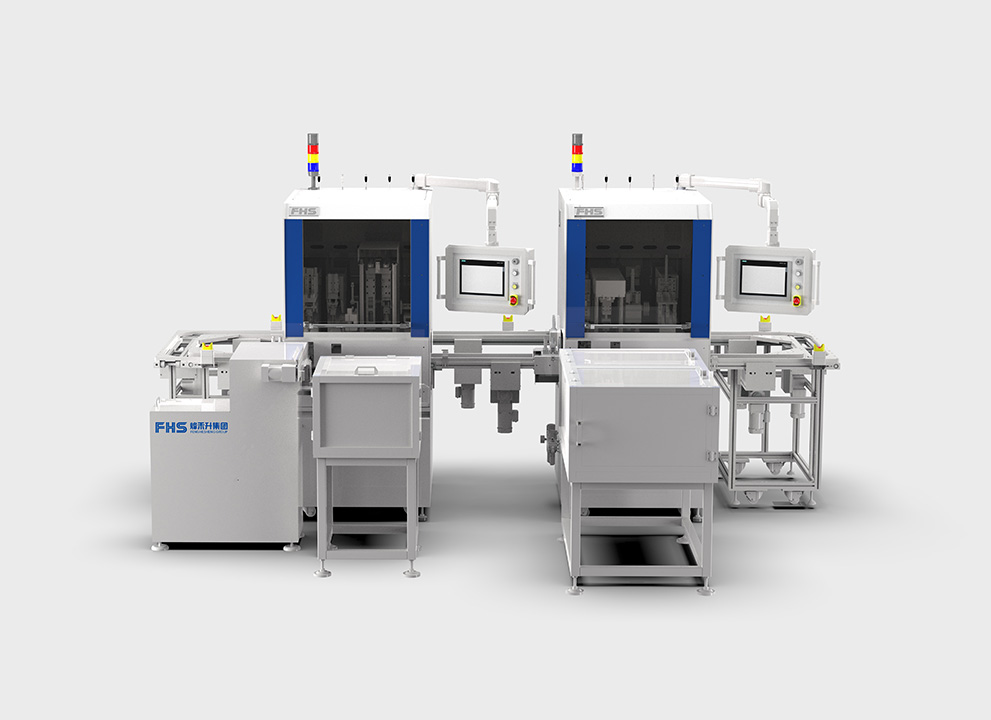
Start with the problem
You’re not shopping for shiny boxes — you’re fixing a mess: missed throughput targets, busted traceability, or recall risk. Ask the right stuff up front so you don’t get stuck with tech that looks dope but can’t handle your line. If you’re working on medicaldevice lines, you already know the stakes; I’ve seen this at MD&M West where vendors parade demos while buyers hunt for real throughput and validation proof. Put this first: medical device assembly automation is a tight game — vendors who can’t talk compliance, validation, and uptime straightaway don’t deserve your floor space.

1) Show me the reference lines and results
Ask for live references that match your product type and cycle time. Get names, locations, and measurable outcomes: cycle time improvement, defect rate before vs after, uptime numbers. Don’t settle for slogans. If they dodge specifics, they’re hiding something.
2) What does validation look like — and who owns it?
Demand their validation package: IQ/OQ/PQ templates, traceability to requirements, and executable test scripts. Ask who’s responsible for final qualification. You pay for a working line, not for a never-ending validation project that becomes your problem.
3) How does this integrate with our MES/ERP and other lines?
Get concrete on protocols, data models, and handoffs. Request sample data schemas or an API spec. If your supply chain and quality systems need full traceability, confirm the vendor supports those integrations. For clarity on architecture and scope, see what they say about medical device automation systems so you know they speak the language of regulated production.
4) Give me the downtime math — MTTR, MTBF, and spare parts plan
Don’t be polite about failures. Ask for mean time between failures, mean time to repair, common spare parts, and where spares are warehoused. A vendor who can’t show realistic numbers or a parts pipeline will turn a minor glitch into a production stoppage.
5) What’s your software maintenance and cybersecurity stance?
Find out update cadence, rollback plans, and how they push patches without pausing your line. Ask about authentication, encryption, incident response, and whether they provide signed builds. If they shrug, assume risk and price it into downtime.
6) Who trains our crew — and what’s the handoff look like?
Clarify training scope: operator, maintenance, and engineering levels. Ask for training materials, location-based training plans, and shadow periods. A good vendor leaves your team competent, not dependent.
7) How do you handle change control and continuous improvement?
Production evolves. Ask how they version hardware and software, manage engineering change notices, and test updates before field deployment. Look for a clear change-control workflow tied to risk assessment. Chaos here equals surprise costs later.
8) What regulatory and standards support do you provide?
Get explicit about FDA, ISO 13485, CE declarations, and cleanroom compatibility if needed. Ask for documentation packages that align with your quality system. Vendors who can’t point to the right standards probably won’t survive an audit.
9) What’s the total cost — not the sticker price?
Push beyond equipment price. Ask for a full-year cost model: commissioning, validation, spare parts, consumables, service, training, and planned upgrades. Ask them to run an ROI based on your throughput targets. If their numbers are fuzzier than your operator’s shift notes, walk.
10) Can we run a proof-of-concept or a factory acceptance test (FAT)?
Insist on a FAT and a clear acceptance checklist with pass/fail criteria tied to your specs. If the vendor says “trust us” instead of offering an on-site or witnessed test, you get what you deserve — drama on startup day.
Common pitfalls buyers trip over
They ignore integration effort, accept vague service SLAs, or let vendors define acceptance criteria. Avoid single-vendor lock-in by insisting on open interfaces and clear exit conditions. Make deliverables measurable. If you leave decisions fuzzy, you pay for cleanup later.
Quick checklist to carry to vendor meetings
– Live reference matching your product and cycle time – Validation package samples (IQ/OQ/PQ) – Integration/API spec or sample data schema – MTBF/MTTR and spare parts location – Software update and cybersecurity policy – Training plan with timelines and materials – Change-control workflow and versioning policy – Regulatory documentation list and samples – Full-year cost breakdown (not just CAPEX) – FAT plan with explicit acceptance criteria
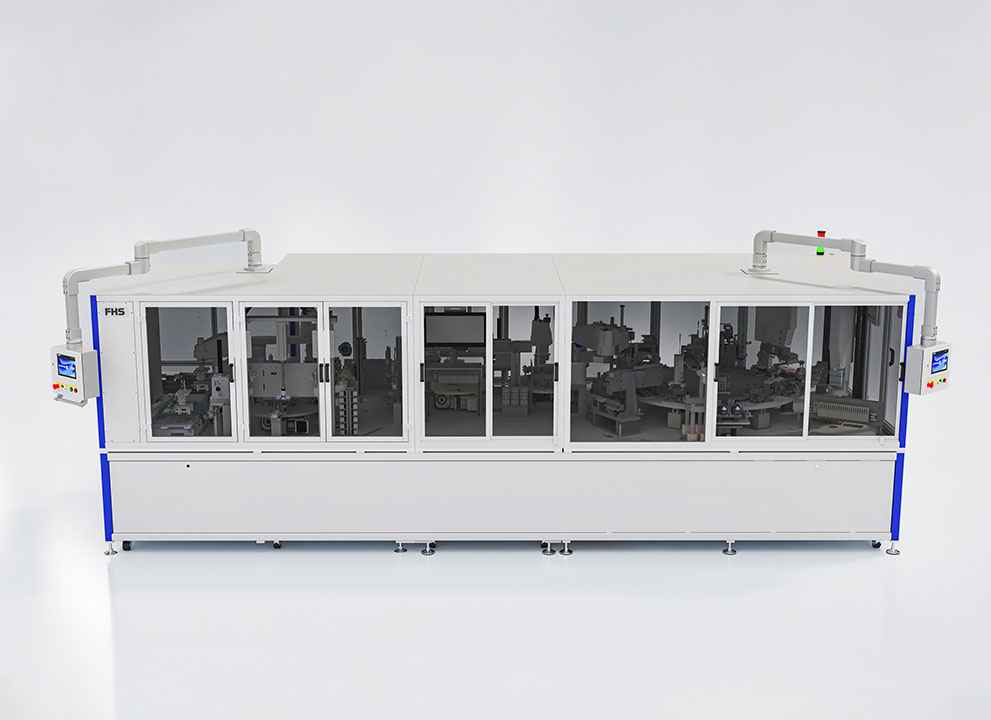
Wrap-up — keep it real
Don’t buy based on demos or charm. Push vendors to prove they can run your line, support it, and hand it over clean. Your job’s to reduce surprises, not collect them. After you grill ’em with these questions, the right partner stands out: they show paperwork, numbers, and a crew who knows your needs. That kind of partner is what keeps production moving, and when you see it all line up you’ll know why teams trust FHS.