
Introduction
Have you ever wondered why some wellness trends feel destined and others fizzle out? I see that question a lot as clinics add new gear, and the numbers tell a story: consumer interest in phototherapy rose by double digits last year. The red light bed sits at the center of that buzz — promising skin repair, pain relief, and a bit of futuristic self-care (yes, there’s real tech under the hood). But are those promises backed by reliable design, or are we buying hopeful marketing? Let’s unpack the facts and surprises next.

What’s Broken Beneath the Glow: Traditional Flaws and User Pain Points
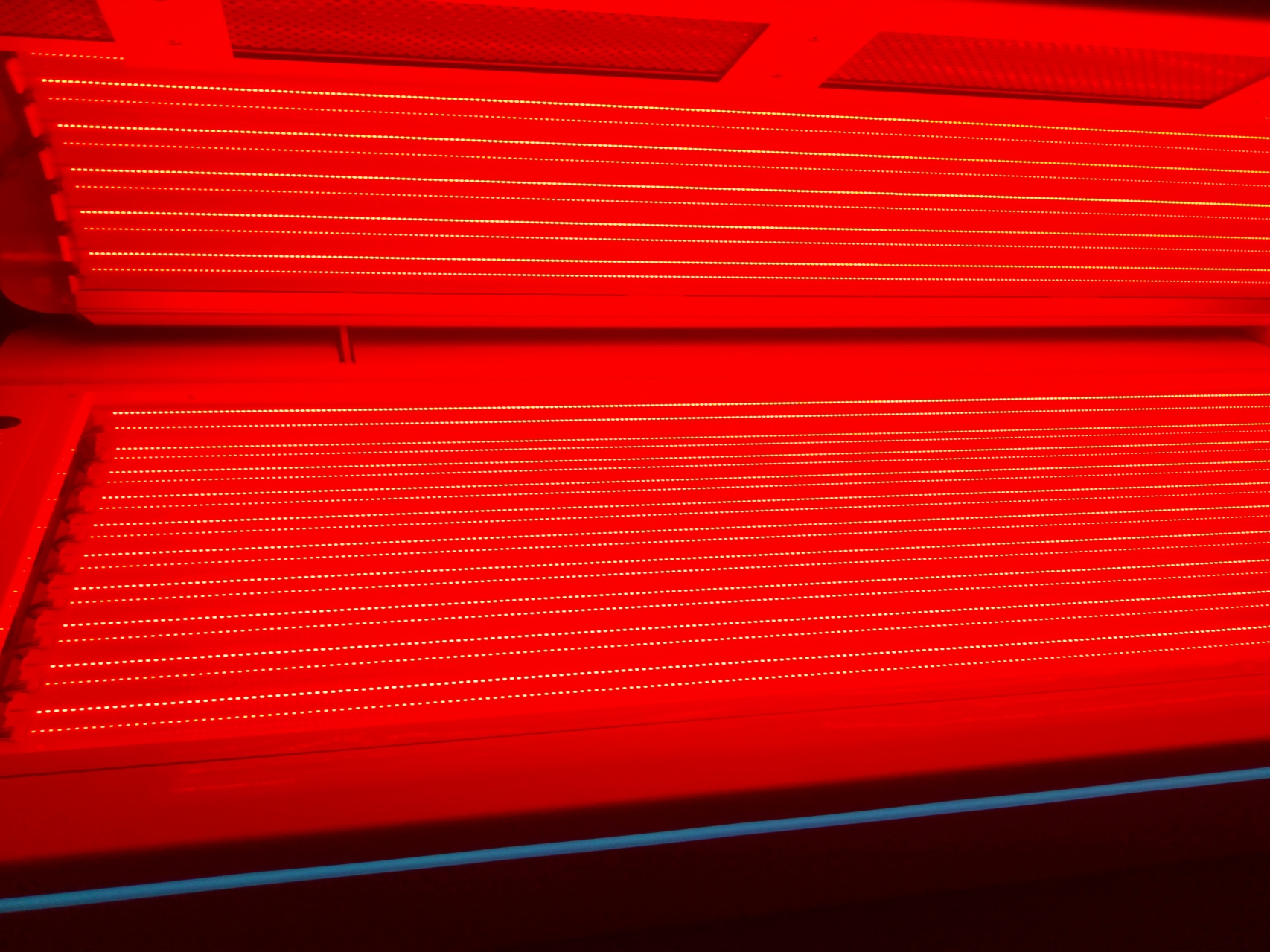
I want to start with a clear example: many clinics claim to offer collagen bed therapy, yet the delivery often misses the mark. Technically speaking, photobiomodulation works when wavelength, irradiance, and treatment time align. Too often, though, devices rely on cheap LED arrays with poor wavelength control. The result? Suboptimal collagen synthesis and uneven results. I find this frustrating because the science is straightforward but the execution is sloppy. Look, it’s simpler than you think — proper wavelength selection (near 660 nm and 830 nm ranges, for instance) and calibrated irradiance matter more than glossy finishes.
Why does this happen?
Two big culprits: cost-cutting in power converters and weak thermal management. Manufacturers skimp to hit a price point, then users pay with inconsistent outcomes. From a user’s perspective, the pain points are obvious: unclear session guidelines, variable device performance, and confusing claims about “fast results.” I’ve seen clients switch providers three times before they find a machine that actually performs. — funny how that works, right? These issues add up to wasted time, money, and — candidly — trust. For professionals, the head-scratcher is worse: without reliable irradiance readings and solid LED engineering, you can’t build repeatable treatment protocols.
Looking Forward: Case Example and Future Outlook
Let me take you through a simple case. A small spa upgraded its red light bed to a model that focused on measured wavelength control and robust heat sinks. After we adjusted session times based on measured irradiance, clients reported better skin texture and less joint pain within weeks. That’s the kind of practical turnaround I like to see. Now, when we talk about next steps for the industry, I’m excited by integrated feedback systems — sensors that monitor skin temperature and adjust LED drive current in real time. This isn’t science fiction; it’s an achievable engineering improvement (photobiomodulation plus smart control equals better outcomes).
What’s Next?
I believe the future will favor devices that pair solid hardware with clear protocols. If manufacturers add real-time monitoring and transparent performance data, users will save time and see consistent gains. I expect more clinics to adopt these standards in the next few years. Also, expect to see hybrid protocols combining targeted light wavelengths with topical agents to boost collagen bed therapy outcomes — yes, collagen bed therapy again — and better patient education so expectations match reality. — I mean, truly, it’s about honesty and engineering working together.
Practical Takeaways and How I Evaluate Options
After working with devices and clinics, I’ve refined a simple checklist I use before recommending a red light bed. Here are three key evaluation metrics I advise you to use when choosing a solution: 1) Measured irradiance and wavelength accuracy — insist on lab data, not just specs. 2) Thermal regulation and power conversion quality — the machine must maintain stable output without overheating. 3) Protocol transparency — clear session times, documented outcomes, and feedback sensors if possible. These metrics separate hopeful gadgets from reliable tools. I want results that feel real, not just impressive in an ad.
To wrap up, my takeaway is straightforward: demand engineering, not just marketing. When companies pair sensible hardware — LED arrays, power converters, thermal management — with honest protocols, the benefits are tangible. If you’re shopping, test for measured performance and ask about documented case outcomes. You deserve devices that deliver on their promises. For credible options and more technical specs, check out Magique Power.